


The Qur’an’s account of God is incompatible with the God revealed in Jesus Christ. Christianity confesses the eternal Father, Son, and Holy Spirit; Islam rejects divine sonship and the worship of Jesus. This is a difference about who God is, not merely what name people use.
There is an essential qualification. Muslims intend to worship the one Creator, the God of Abraham. The Qur’an itself says this in 29:46. Calling the two accounts different does not prove that two creator gods exist, or that a Muslim’s prayer consciously addresses another being. The question here is whether Islam preserves the identity God reveals in Christianity. On that question, their central claims conflict.
Qur’an 4:171 — Jesus, Word, and divine sonship · John 1:1–18, World English Bible
One Creator does not settle the disagreement
Muslims and Christians can agree that God creates, judges, hears prayer, and shows mercy. Arabic-speaking Christians also use Allah for God. A shared word does not settle a theological dispute, just as different languages do not create different gods.
But agreement about a Creator leaves an important question unanswered: has that Creator made himself known in Jesus? If Jesus is truly the divine Son, denying him removes something essential from God’s revealed identity. If Jesus is only a created messenger, worshipping him is a fundamental error. These cannot be equally true descriptions in the same sense.

Qur’an 29:46 — the common-God claim · Yaqeen — Jesus: A Foundation for Dialogue Between Muslims and Christians · John 1:1–18, World English Bible · Qur’an 4:171 — Jesus, Word, and divine sonship
The difference appears in Jesus
John 1:1–3 places the Word with God before creation and says that everything was made through him. John 1:14 then says, “The Word became flesh”. The Christian claim is that God’s eternal Son entered human life; it is not that God had a child through a physical relationship. Father and Son remain distinct, while sharing the one divine being.
Qur’an 4:171 honors Jesus as Messiah, messenger, God’s word to Mary, and a spirit from him, yet rejects divine sonship. Surah 112 likewise denies begetting and being begotten. Calling Jesus God’s word does not erase that rejection: within the Qur’an’s own explanation he is not the eternal Son Christians worship. The difference concerns the same Jesus, with incompatible claims about his identity.
A Muslim may point to John 17:3, where Jesus addresses the Father as the only true God. Christians read this alongside 17:5, his glory with the Father before the world, and John 1:3, creation through the Word. Their claim distinguishes Jesus from the Father without making him a second god. The interpretation can still be challenged; citing it does not by itself prove the Gospel is revelation.
The cross changes the meaning of mercy
Islam does not lack love or forgiveness. Qur’an 85:14 describes God as forgiving and loving; 39:53 calls sinners to hope in mercy, followed by a call to repent. The Christian case becomes weaker when it pretends those passages do not exist.
The actual difference is more specific. Romans 5:6–10 presents God’s love through Christ’s death for sinners and reconciliation through his Son. In the usual Muslim reading of Qur’an 4:157–158, Jesus was not killed on the cross but was raised by God. Interpretations of the passage vary, but it does not teach the Christian account of redemption through the crucified divine Son. The disagreement reaches into how God saves, not just how believers describe him.
Was the Christian account invented much later?
The evidence does not begin with Constantine. Paul’s first letter to the Corinthians already centers the message on Christ’s death and resurrection. Around AD 112, the Roman governor Pliny reported Christians singing to Christ “as to a god”. These witnesses precede the Council of Nicaea in 325. The council formulated a disputed doctrine; it did not introduce the first worship of Jesus.
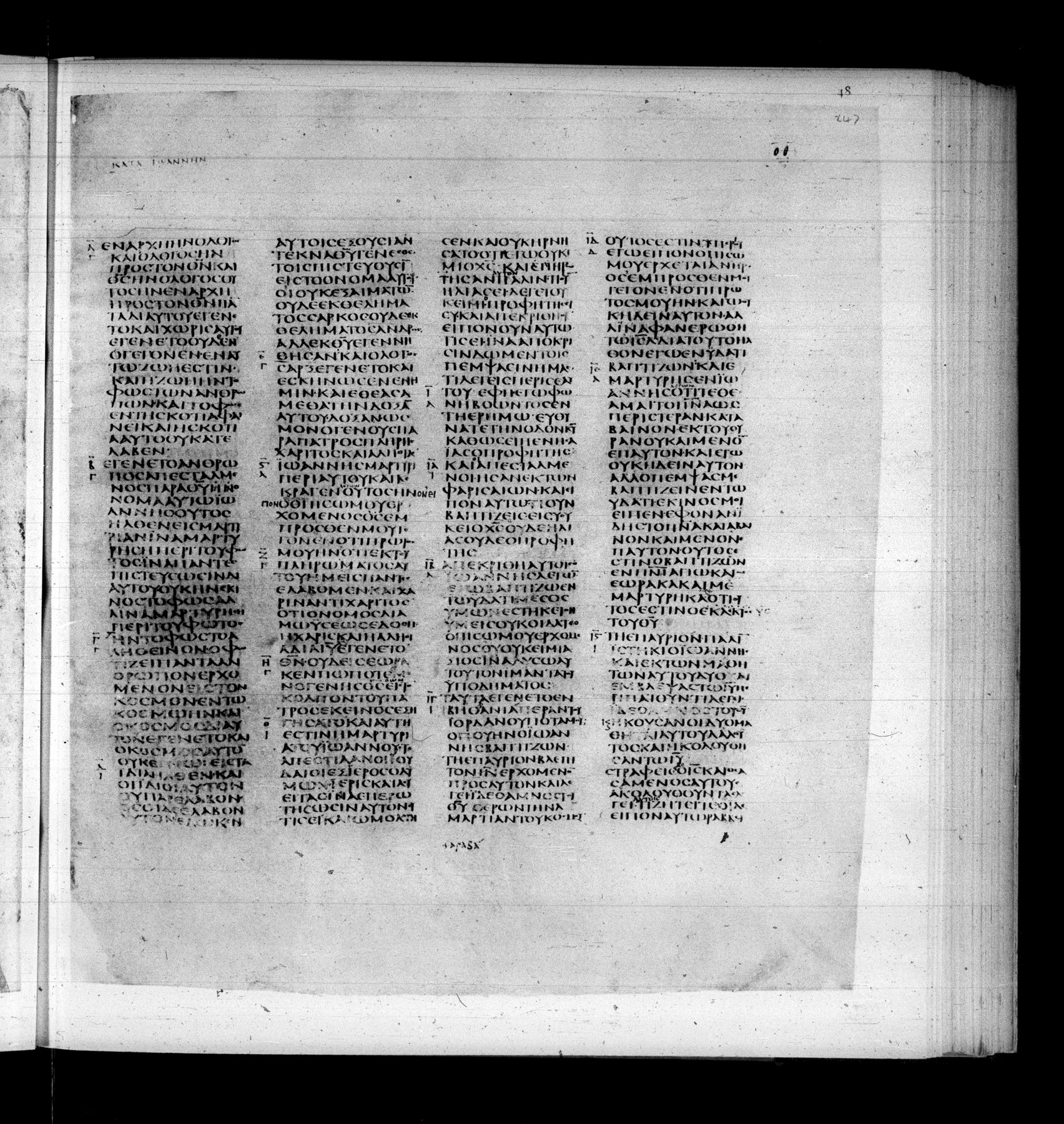
There is also physical evidence from before Islam: the fourth-century Codex Sinaiticus preserves John’s Gospel, including its opening about the Word. Conversely, the Dome of the Rock, completed in 691–692, gives early monumental expression to Islamic teaching about Jesus. History shows that the conflict is old. Neither the age of a manuscript nor the grandeur of a building proves a revelation true.
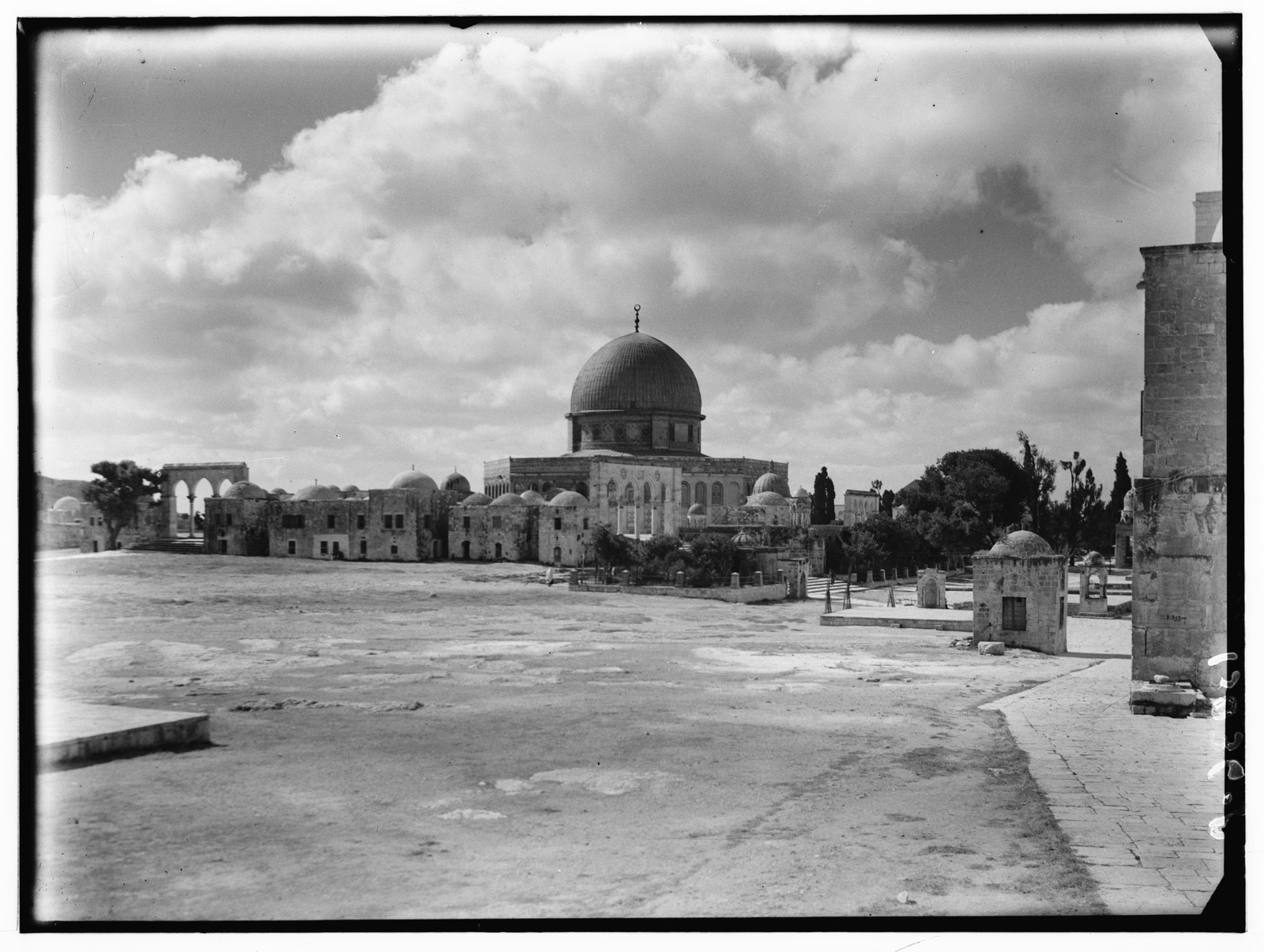
Pliny and Trajan — primary-source translation and historical setting · Codex Sinaiticus — John 1, British Library folio 247 · Yale Bible Study — circumstances of 1 Corinthians
The strongest Muslim reply
An informed Muslim can answer that Muhammad restored what Jesus originally taught, correcting an earlier Christian mistake. Yaqeen’s discussion of Jesus makes that kind of argument. It deserves an answer: an early belief can still be wrong. Showing that Christians worshipped Jesus before Nicaea does not, by itself, prove that they were right.
But calling a later account a correction does not establish its authority either. The question becomes which account has better grounds: the Christian testimony to the Son, or the Qur’an’s claim to judge and correct it. Qur’an 5:48 explicitly claims authority over earlier scripture. Accepting that claim in advance would decide the dispute before examining it. A Muslim may offer independent reasons for trusting Muhammad; those reasons also need to be assessed.
1 Corinthians 15:1–11, World English Bible · John 1:1–18, World English Bible
What would be lost by calling them interchangeable?
Some Christians affirm that Muslims worship the same Creator while holding a seriously mistaken account of him. The Catholic declaration Nostra aetate, section 3, explicitly combines a common Creator with disagreement over Jesus’ divinity. That position does not make the two religions equivalent.
The Christian reason to reject the Qur’anic account is that it excludes the Son through whom Christianity says the Father is known. First John 2:23 makes that relationship essential, rather than an optional addition. A Muslim need not accept the verse as revelation to understand the issue: Islam asks the Christian to surrender a defining claim about God.
The positive Christian alternative is the God who makes himself known in the Son and meets sinners through his self-giving love. To examine it, compare John 1 with Qur’an 4:171, then Romans 5 with Qur’an 4:157–158. Ask which testimony deserves trust and why. If the Christian testimony is true, the Qur’an does not simply give that same revelation another name; it denies its center.